You lower the thermostat on a hot afternoon and wait for the house to cool, but the temperature barely changes. When your air conditioner is running but not cooling, knowing what to check first can help you respond without making the problem worse.
This guide explains what homeowners can check safely and when a professional HVAC repair may be necessary. Seabright Heating & Cooling helps Santa Cruz, CA, residents determine when a cooling problem requires expert attention.
Common Warning Signs
Is your air conditioner running but not cooling, or are you dealing with a different problem? Watch for these signs to determine if it’s a cooling issue:
- Warm air blowing
- Short cycling
- Rising energy bills
- Unusual sounds
Responding to these signs early may keep a minor problem from requiring a more extensive repair.
Check the Air Filter First
A dirty air filter is one of the easiest problems to find, and it’s often the first thing worth checking. When the filter clogs with dust and debris, airflow gets blocked, and the system has to work harder to push cool air through the ducts. Over time, this strain can lead to bigger issues, including frozen coils or a system that runs constantly without reaching the set temperature.
Dirty air filters should be replaced every one to three months, depending on the filter type and how often the system runs. Homes with pets or allergy sufferers may need to change filters more often. A fresh filter alone sometimes solves the cooling problem completely.
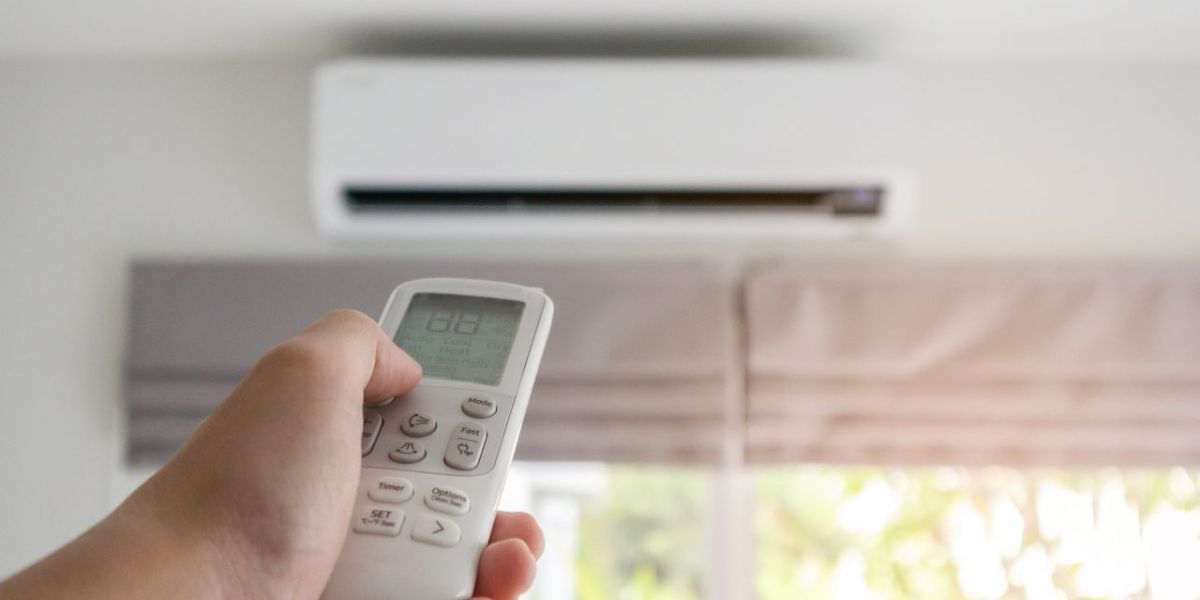
Check the Thermostat Settings
Sometimes, a simple setting is to blame. Check the following:
- Confirm that the thermostat is set to cooling mode, not fan-only or heating mode.
- Replace the batteries if the display looks dim or blank.
- Check that the set temperature is lower than the current room temperature.
Smart thermostats can sometimes lose their programming after a power outage. Resetting the schedule often solves the problem within minutes.
Look for Signs of Frozen Evaporator Coils
The evaporator coil absorbs heat from the air inside your home as part of the cooling cycle. When something disrupts this process, the coil can freeze over, and once that happens, it can’t do its job properly. Frozen evaporator coils are a common cause of warm air blowing from the vents instead of cool air.
A few warning signs can help you catch this early:
- Frost or ice on the coil or nearby refrigerant lines
- Airflow from the vents becoming noticeably weaker
- Water collecting around the indoor unit as the ice melts
Turn off the cooling system and allow the coil to thaw completely before restarting it.
Inspect the Condenser Coils Outside
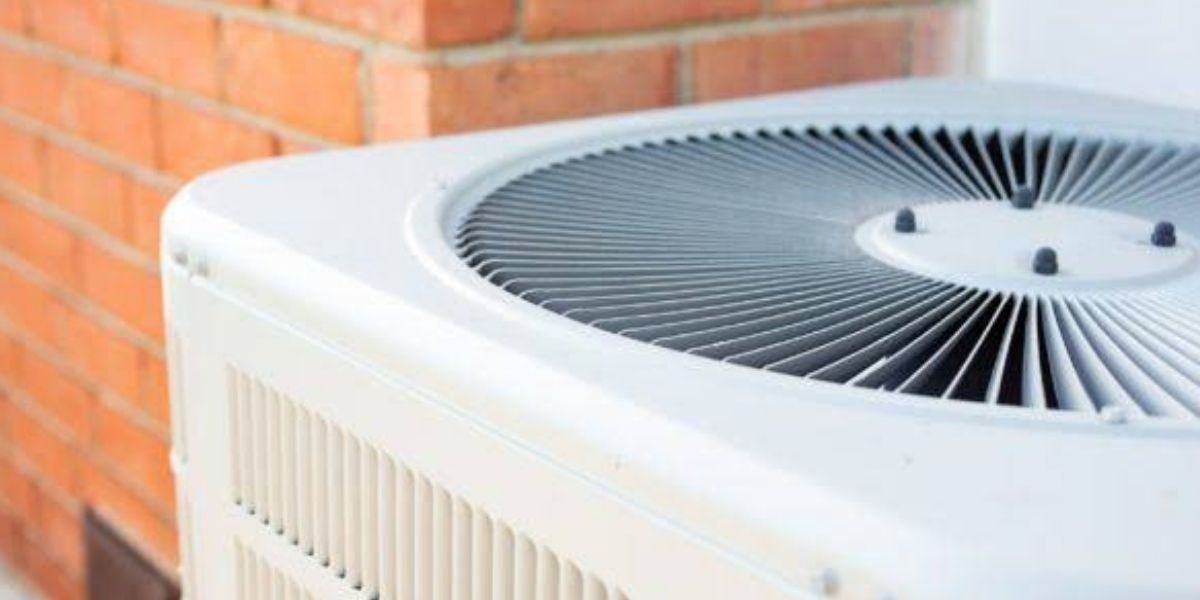
The outdoor condenser releases heat collected from inside the home. Because it remains exposed year-round, leaves or grass clippings can settle between the fins and restrict airflow. Clogged condenser coils prevent heat from escaping efficiently, which is one way weather affects HVAC systems, causing weaker cooling and higher energy use.
Check the unit for visible buildup and keep nearby plants trimmed back. After turning off the power, you can gently rinse the coils with a garden hose to remove loose debris.
Have the Compressor Professionally Tested
The compressor circulates refrigerant between the indoor and outdoor portions of the system to ensure proper cooling. This useful guide to home air conditioning systems explains this process in greater detail.
Compressor repairs often require professional testing. Since replacement can be expensive, a technician should determine whether repairing the compressor or replacing the outdoor unit offers better long-term value, while proper AC installation preparation can help ensure a smooth replacement process.
Understand How Refrigerant Levels Affect Cooling
Refrigerant absorbs and releases heat as it cycles through the system, so without the right amount, the unit can’t cool the air properly. Refrigerant leaks are a leading cause of poor cooling, and they require a trained technician to locate and repair.
If your air conditioner is running but not cooling, hissing sounds may point to a refrigerant leak. If this sounds familiar, have a trained technician test the system before performing any refrigerant work.
Get Your Home Cooling Properly Again
When your air conditioner is running but not cooling, Seabright Heating & Cooling can identify the underlying problem and recommend the appropriate repair. Prompt service may prevent a minor airflow or component issue from causing more extensive system damage.
If testing shows that replacement is the better option, our AC sizing guide will help you find the perfect new unit. For air conditioning services in the Santa Cruz, CA, area, call Seabright Heating & Cooling at (831) 291-7653.