

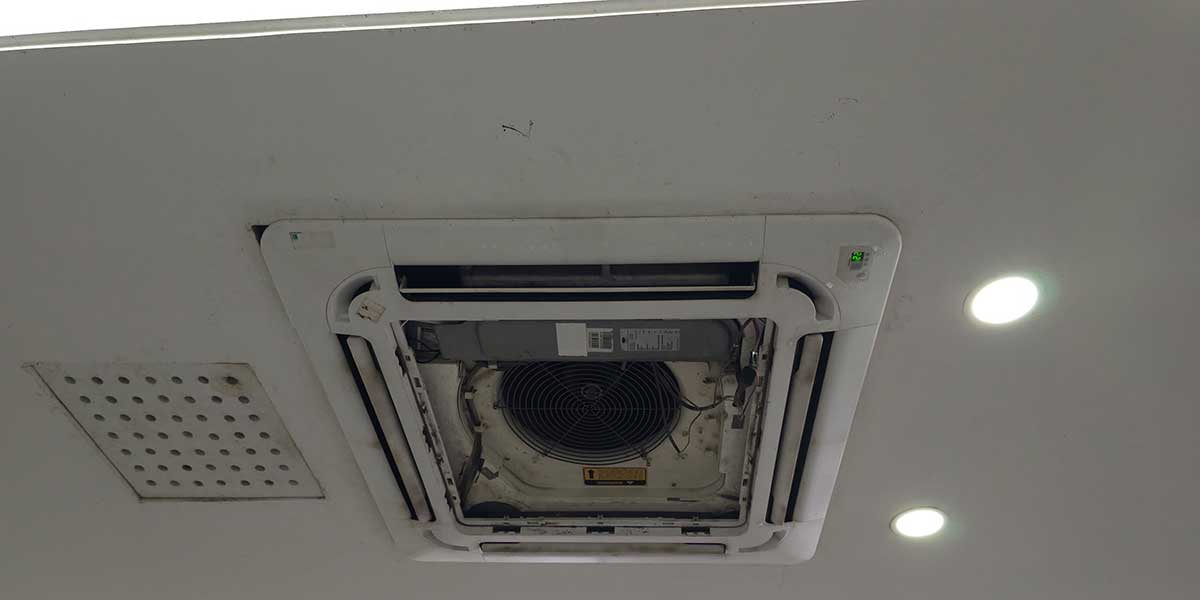
You might not notice a slow drip from your air conditioner, which means that a small leak can go undetected for months until the effects become painfully obvious. Your air conditioner may continue cooling normally even when its drainage system has a problem. A comfortable room temperature doesn’t confirm that nearby materials stay dry, so it’s worth checking around the indoor unit during regular use.
In this guide, Seabright Heating and Cooling will explain how HVAC leaks can damage your home’s structure and the warning signs to watch for. Scheduling HVAC repair services right away can spare you from a much bigger repair bill later.
Where HVAC Leaks Come From
When considering how HVAC leaks can damage your home’s structure, it helps to understand where these issues might originate. Learning the basics about HVAC systems and how their parts work together may explain why most leaks fall into one of three groups:
- Condensate leaks: Your air conditioner pulls moisture from the air. A clogged or cracked drain line can send that water into places you can’t see.
- Refrigerant leaks: Worn coils or loose fittings can let the chemical that cools your air escape from its sealed lines.
- Duct leaks: Gaps and cracks in ductwork may let conditioned air and moisture slip into spaces where they don’t belong.
Many San Jose homes have air handlers tucked into attics or garages. When this unit sits above your living space, a condensate problem often shows up first as a stain on the ceiling below.
How Water Leaks Can Weaken Your Home From the Inside
Water is one of the biggest threats to your home’s structural materials. A drain line that drips a little each day can soak into insulation, drywall, wood, and subfloors long before you ever see its effects. Repeated wetting can also cause wooden components to swell and warp, disrupting their original fit. Over time, that moisture can lead to serious structural damage.
Constant dampness also sets the stage for mold growth, which can start within 24 to 48 hours. Many molds feed on wood and paper-backed drywall, so the longer water damage goes unchecked, the more material you may need to tear out and replace.
Health and Safety Risks That Come With Leaks
Knowing how HVAC leaks can damage a home’s structure is only half the picture. Leaky ducts can also pull in dust and mold spores from attics and crawl spaces, pushing these contaminants through your home’s vents. The result is poor indoor air quality, which can trigger asthma flare-ups and other health hazards.
Water near your furnace or wiring creates electrical hazards, from tripped breakers to short circuits and fire risks. Refrigerant leaks bring their own concerns, because exposure to this substance in an enclosed space can cause headaches or nausea. Low refrigerant also forces your system to run longer, which drives up energy bills and wears out parts faster.
The Warning Signs of a Hidden HVAC Leak
Since most leaks happen out of sight, you’ll need to watch for clues around the house. Keep an eye out for these red flags:
- Water stains: Yellow or brown spots on ceilings or walls near vents often point to a condensate problem.
- Pooling water: Puddles around your indoor unit or furnace mean the drain system isn’t doing its job.
- Bad smells: An earthy odor when the system kicks on can signal hidden moisture in your ducts.
- Hissing or bubbling sounds: These noises near the outdoor unit or refrigerant lines may mean refrigerant is escaping.
- Rising bills: A spike in energy costs paired with weak cooling suggests your system is losing refrigerant or air.
If you notice any of these signs, shut the system off and check the drain pan for standing water. If the drain pan isn’t overflowing, a trained technician will need to track down the source of the leak before it causes more damage.
Stop Leaks Before They Spread With Seabright Heating and Cooling
A small water leak can lead to mold and damaged framing, while refrigerant loss can affect system performance and indoor safety. Understanding how HVAC leaks can damage a home’s structure can help you act fast.
At Seabright Heating and Cooling, we find and fix leaks before they harm your home, and we can help you recognize the signs of an HVAC emergency so you know when to call. Our licensed technicians service all makes and models in San Jose. Call Seabright Heating and Cooling at (831) 291-7653 today to schedule a consultation.


